
Telehealth has transformed healthcare delivery across the United States. Patients can now consult doctors through video calls, remote monitoring platforms, and online medical services. While this digital transformation improves access to care, it also introduces new communication challenges for patients who do not speak English fluently.
For Nepali-speaking patients, language barriers can make virtual medical consultations difficult and potentially unsafe. In these situations, a remote Nepali interpreter becomes essential to ensure accurate communication between healthcare providers and patients. Remote interpretation allows interpreters to join telehealth appointments in real time, helping both parties understand medical information clearly and completely.
As telemedicine continues to expand, healthcare providers are increasingly relying on remote interpretation services to support patients with limited English proficiency and ensure equitable access to care.
Why Telehealth Providers Need a Remote Nepali Interpreter
Telehealth platforms allow patients to connect with healthcare providers from anywhere, but language barriers still exist in virtual environments. When patients and doctors cannot communicate effectively, misunderstandings about symptoms, diagnoses, and treatment plans may occur.
A remote Nepali interpreter helps bridge this communication gap during telehealth appointments. The interpreter joins the virtual consultation and translates the conversation in real time, ensuring that both the provider and patient fully understand each other.
Remote interpretation provides several benefits for telehealth providers:
-
Clear communication between providers and Nepali-speaking patients
-
Reduced risk of medical errors caused by language barriers
-
Improved patient trust and satisfaction
-
Compliance with language access regulations
Healthcare organizations serving Nepali-speaking communities can also benefit from working with trained interpreters who understand medical terminology and interpretation ethics.
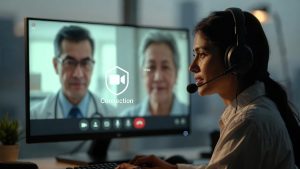
How Remote Interpretation Works in Telehealth
Remote interpretation services are designed to integrate smoothly with telehealth platforms used by hospitals and clinics. Interpreters can join appointments through secure video conferencing systems or telehealth applications.
During the consultation, the remote Nepali interpreter listens to the healthcare provider and translates the message for the patient in Nepali. The interpreter then translates the patient’s responses back into English so the provider can understand the patient’s symptoms and concerns.
This process ensures that the entire conversation is accurately communicated, even when participants speak different languages. Remote interpreters also follow professional standards that require them to remain neutral and maintain patient confidentiality.
Telehealth providers increasingly use video remote interpretation (VRI) and over-the-phone interpretation (OPI) services to ensure that language barriers do not affect the quality of care.
Compliance Requirements for Telehealth Language Access
Healthcare providers in the United States must comply with federal regulations that protect patients with limited English proficiency. These regulations require healthcare organizations receiving federal funding to provide language assistance services when needed.
According to the U.S. Department of Health and Human Services language access guidance, healthcare providers must ensure that patients can communicate effectively with medical professionals regardless of the language they speak.
Using a remote Nepali interpreter helps telehealth providers meet these requirements while improving patient safety and care quality.
Telehealth platforms must also comply with privacy standards such as the Health Insurance Portability and Accountability Act (HIPAA), which protects sensitive patient information during virtual consultations.
Benefits of Remote Nepali Interpretation for Telehealth
Remote interpretation services provide a practical solution for healthcare providers who serve multilingual communities. By integrating interpreters into telehealth platforms, providers can ensure that every patient receives accurate and culturally appropriate care.
Some key benefits include:
Improved Patient Safety
Accurate interpretation reduces misunderstandings about symptoms, diagnoses, and treatment instructions.
Better Patient Engagement
Patients are more likely to ask questions and share important health information when they can communicate in their native language.
Increased Healthcare Access
Remote interpretation allows patients in rural or underserved areas to receive care without traveling long distances.
Regulatory Compliance
Professional interpretation helps healthcare providers meet federal language access and privacy regulations.
The Growing Demand for Remote Nepali Interpreters
The Nepali-speaking population in the United States has grown steadily over the past decade. Many Nepali-speaking communities rely on telehealth services due to geographic distance, work schedules, or limited access to local healthcare providers.
As telemedicine expands, the demand for qualified remote Nepali interpreters continues to increase. Hospitals, telehealth platforms, and healthcare organizations are recognizing the importance of professional language services in delivering safe and effective care.
Providers who invest in professional interpretation services ensure that language barriers do not prevent patients from receiving the healthcare they need.
Supporting Telehealth with Professional Interpretation Services
Healthcare providers must ensure that telehealth consultations remain safe, accurate, and compliant with language access regulations. Professional interpretation services play a key role in achieving these goals.
Organizations seeking reliable language support can benefit from trained interpreters who understand both medical terminology and cultural communication nuances. Professional interpreters ensure that telehealth consultations are conducted accurately and respectfully for patients from diverse backgrounds.
By working with experienced language service providers, telehealth organizations can reduce communication risks, improve patient satisfaction, and deliver equitable healthcare to Nepali-speaking communities across the United States.
Healthcare organizations looking for reliable language support can benefit from working with experienced interpretation providers that understand both linguistic accuracy and healthcare compliance. Bhasa Nepal offers professional Nepali interpretation services for healthcare, legal, and telehealth environments, helping providers communicate clearly with Nepali-speaking patients. By partnering with trained interpreters, telehealth providers can reduce communication risks, improve patient trust, and ensure equitable access to healthcare services.